
Winter weather damage is a common concern for homeowners as freezing temperatures, snow, and ice place unique stresses on a home’s structure and systems. While winter is a beautiful season, it also brings conditions that can quietly cause costly problems if left unchecked. Understanding where winter damage is most likely to occur helps homeowners take proactive steps to protect their property and avoid unexpected repairs.
Understanding the Risks of Winter Weather Damage
Cold weather affects homes differently than other seasons. Freezing temperatures can cause materials to contract, moisture to expand, and systems to work harder than usual. Snow and ice add weight and moisture that may seep into vulnerable areas. Recognizing these seasonal risks is the first step toward minimizing winter weather damage and preserving a home’s long-term condition.
Winter Weather Damage to Roofs and Gutters
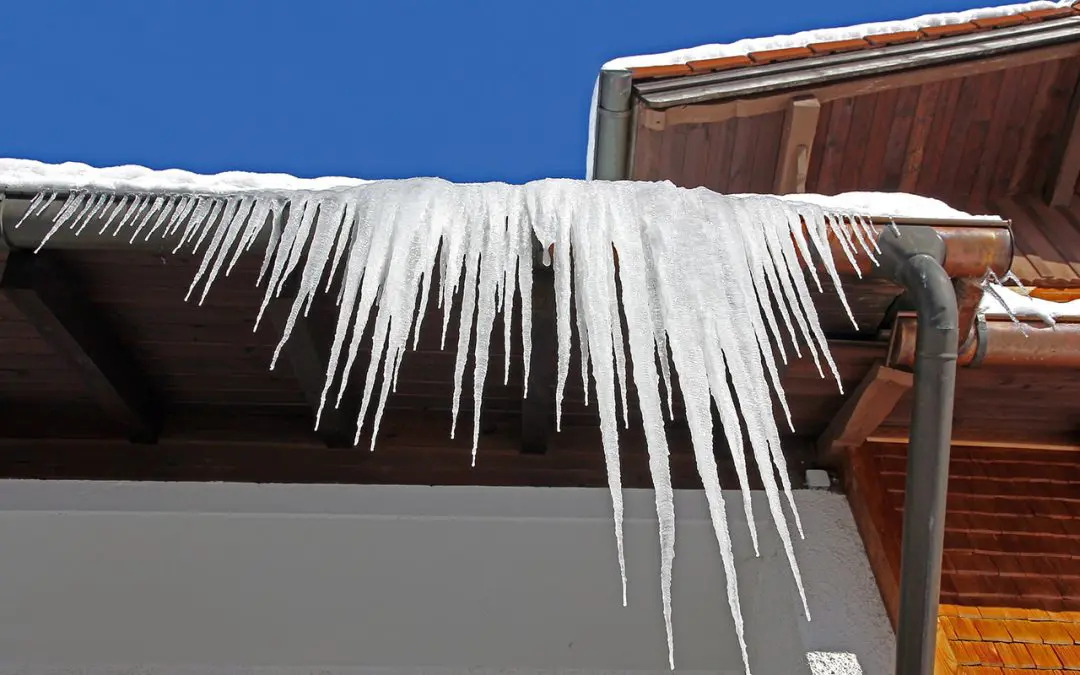
Roof systems are often the first line of defense against winter conditions. Heavy snow accumulation places additional weight on roofing materials, while repeated freeze-thaw cycles may loosen shingles or flashing. Ice dams are another common source of winter weather damage, forming when warm air escapes from the home and melts snow that later refreezes at the roof’s edge. Gutters and downspouts are also at risk. When clogged or frozen, they could trap water, allowing it to back up beneath roofing materials or spill against siding and foundations. Keeping these components clear helps reduce the likelihood of moisture-related damage.
How Winter Affects Plumbing Systems
Plumbing is particularly vulnerable during freezing temperatures. Water expands as it freezes, which can cause pipes to crack or burst. This type of damage often occurs in uninsulated areas such as crawl spaces, basements, or exterior walls. Even small cracks could lead to significant water damage once temperatures rise and pipes thaw. Taking steps to protect exposed plumbing and maintaining consistent indoor temperatures can help prevent these costly incidents.
Possible Damages to the Home Exteriors
Siding, windows, and doors are exposed to harsh winter elements. Moisture that enters small gaps could freeze and expand, worsening existing cracks or separation. Over time, this process may lead to drafts, water intrusion, and structural deterioration. Paint and sealants may also suffer during winter. Fluctuating temperatures can cause finishes to peel or crack, exposing the underlying materials. Regular inspections and timely repairs help limit winter weather damage to exterior surfaces.
Interior Impacts of Winter Weather Damage
The effects of winter weather damage are not always visible from the outside. Inside the home, inadequate insulation or air leaks may result in uneven temperatures and increased energy consumption. Condensation on windows or walls may indicate excess moisture, which could contribute to mold growth if left unaddressed. Floors and ceilings can also be affected. Warping, staining, or cracks may develop when moisture infiltrates the home due to roof leaks or plumbing issues related to freezing conditions.
Preventive Steps to Reduce Winter Weather Damage
While winter weather damage cannot always be avoided, preventive measures will significantly reduce risk. Ensuring proper insulation, sealing air leaks, and maintaining heating systems all contribute to better protection during cold months. Routine maintenance enables homeowners to address minor issues before they escalate into major problems. Staying attentive throughout the season is equally important. Monitoring indoor humidity, clearing snow buildup, and responding quickly to warning signs will help minimize damage and repair costs.
Why Inspections Matter During Winter
Professional inspections play an important role in identifying potential winter weather damage. Inspectors are trained to recognize early signs of trouble, even in areas that are not easily accessible. Regular evaluations provide homeowners with valuable insight into their home’s condition and help prioritize maintenance needs.
By understanding the potential risks of winter weather damage and taking proactive measures, homeowners can better protect their property and maintain comfort throughout the cold season.
Frequently Asked Questions (FAQs)
What areas of the home are most affected by winter weather?
Roofs, plumbing systems, and exterior materials are among the most vulnerable areas. These components are directly exposed to freezing temperatures, snow, and ice.
Can winter weather damage occur even without heavy snowfall?
Yes, freezing temperatures alone can cause pipes to burst, materials to crack, and condensation issues to develop, even in areas with minimal snow.
How can homeowners spot early signs of winter damage?
Warning signs may include drafts, water stains, unusual odors, higher energy bills, or visible cracks in exterior materials.
Is winter weather damage covered by homeowners insurance?
Coverage varies by policy and cause of damage. Sudden events, such as burst pipes, may be covered, while damage resulting from poor maintenance may not be.
When should a professional be contacted?
A professional should be contacted if there are signs of water leaks, structural concerns, or system failures, or if damage is suspected but not clearly visible.
MN Pro Home Inspections offers home inspections in the Twin Cities of Minnesota. Contact us to request an appointment.